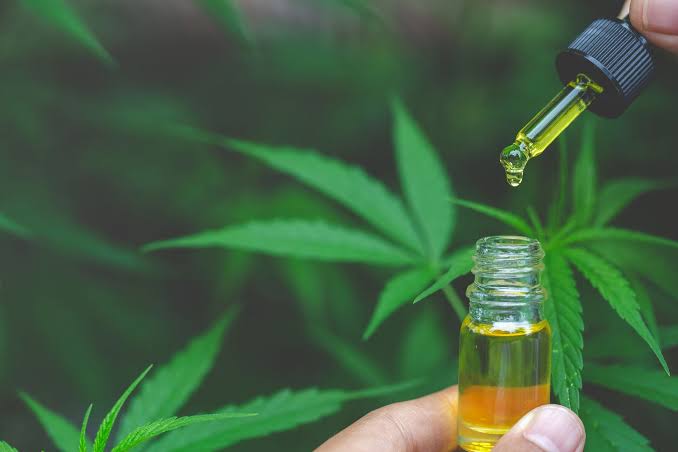

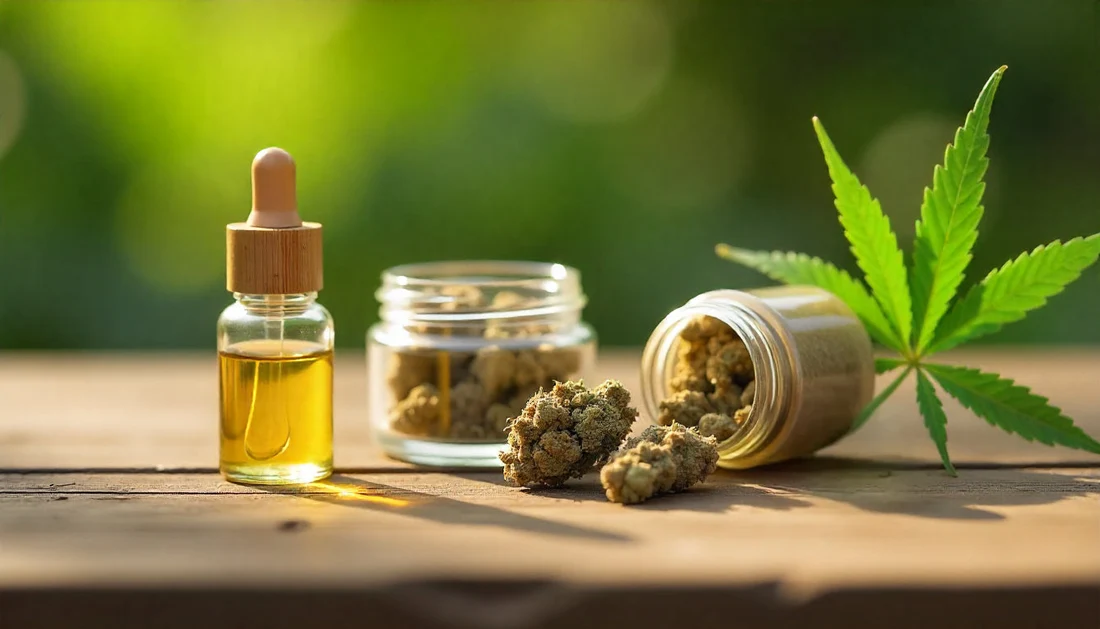
When shopping for CBD oil, many people focus on the CBD concentration, extraction method, or whether the product is full-spectrum or broad-spectrum. However, there is another ingredient that plays an important role in many CBD products: carrier oil.
Carrier oils are commonly used to dilute CBD extract and make it easier to measure, consume, and incorporate into different products. They can also influence a CBD product’s texture, taste, shelf life, and overall formulation.
But what exactly are carrier oils? Why are they added to CBD products? And does the type of carrier oil really matter?
In this guide, we’ll explain what carrier oils are, the most common carrier oils used in CBD products, how they differ, and what to consider when choosing a CBD oil.
What Is a Carrier Oil in CBD Products?
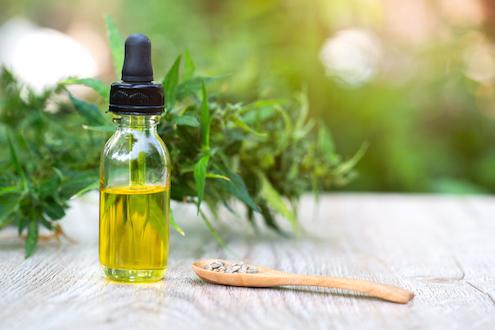
A carrier oil is a plant-based oil used to dilute and carry CBD extract in products such as CBD tinctures and oils.
CBD extract can be highly concentrated. Mixing it with a carrier oil allows manufacturers to create a product with a specific CBD concentration, making it easier for consumers to measure consistent amounts.
For example, a CBD tincture may contain CBD extract combined with coconut-derived MCT oil. The MCT oil acts as the carrier, while the CBD is the active cannabinoid component.
Carrier oils aren’t unique to CBD products. They are also widely used in essential oils, cosmetics, supplements, and other formulations where concentrated ingredients need to be diluted or dispersed.
Why Are Carrier Oils Used in CBD Oil?
Carrier oils serve several purposes in CBD formulations. They aren’t simply added to make the bottle look fuller.
1. They Help Dilute CBD Extract
One of the primary purposes of a carrier oil is to dilute concentrated CBD extract.
This allows manufacturers to produce different CBD strengths, such as low-, medium-, or high-concentration products.
For consumers, this can make it easier to measure the amount of CBD in each serving.
2. They Help Create a Consistent Formula
CBD extract needs to be distributed throughout the product so that each measured serving contains a relatively consistent amount of CBD.
A suitable carrier oil can help create a stable, uniform formulation.
This is particularly important for CBD tinctures, where consumers typically measure their serving using a dropper.
3. They Influence the Taste and Texture
Different carrier oils have different flavors, aromas, and textures.
For example, some oils have a relatively neutral flavor, while others can have a more noticeable taste.
This means the carrier oil can influence your overall experience with a CBD product.
4. They Can Affect the Product’s Shelf Life
The stability of a CBD product depends on several factors, including its ingredients, packaging, exposure to light and heat, and storage conditions.
The type and quality of the carrier oil can also be relevant to formulation stability because different oils have different oxidation characteristics.
This is one reason manufacturers need to select carrier oils carefully and provide appropriate storage recommendations.
Common Carrier Oils Used in CBD Products
Several types of carrier oils can be found in CBD products. The most common include MCT oil, hemp seed oil, olive oil, and avocado oil.
Each has different characteristics.
MCT Oil
MCT oil is one of the most commonly used carrier oils in CBD tinctures.
MCT stands for medium-chain triglycerides. These fats are commonly derived from coconut or palm sources and are popular in many nutritional products.
MCT oil is often selected for CBD formulations because it tends to have a mild flavor and relatively light texture.
Why Is MCT Oil Popular in CBD?
Manufacturers may choose MCT oil because:
- It generally has a mild taste.
- It has a relatively light consistency.
- It can work well in liquid CBD formulations.
- It is widely available.
- It can provide a convenient base for CBD tinctures.
If you prefer CBD oil with a relatively neutral flavor, a product using MCT oil may be worth considering.
However, you should still check the complete ingredient list because CBD products can contain additional ingredients.
Hemp Seed Oil
Hemp seed oil is another carrier oil used in some CBD products.
Although both hemp seed oil and CBD come from the hemp plant, they are not the same thing.
CBD is primarily associated with cannabinoids found in hemp flowers and other plant material. Hemp seed oil is produced from hemp seeds and naturally contains different components.
Hemp seed oil can provide a distinctive nutty or earthy flavor, which some consumers may enjoy.
CBD products formulated with hemp seed oil can therefore offer a more plant-forward taste and product profile.
CBD Oil vs Hemp Seed Oil
This distinction is important when shopping for CBD.
CBD oil generally refers to a formulation containing CBD extract combined with a carrier oil.
Hemp seed oil is an oil made from hemp seeds and does not naturally function as a significant source of CBD.
Therefore, seeing “hemp” on a label doesn’t automatically mean that a product contains meaningful amounts of CBD.
Always check the cannabinoid content and product label rather than relying on the word “hemp” alone.
Olive Oil
Olive oil can also be used as a carrier oil in CBD formulations.
It is familiar to most consumers and has a distinctive flavor and aroma.
Compared with MCT oil, olive oil can have a heavier texture and stronger taste. Some CBD users may prefer it because they are already familiar with olive oil as a food ingredient.
However, taste and formulation preferences vary from person to person.
Avocado Oil
Avocado oil is another plant-based oil that can be used in certain CBD formulations.
It has a relatively rich texture and can provide a distinctive flavor profile.
While it is less commonly associated with CBD tinctures than MCT oil, manufacturers may use it depending on the formulation and desired product characteristics.
Sunflower Oil
Sunflower oil may also appear as a carrier oil in some cannabinoid products.
It has a relatively mild flavor and is widely used in food and cosmetic formulations.
Its suitability for a CBD product depends on the specific formulation and manufacturing process.
How Do Different Carrier Oils Compare?
The best carrier oil isn’t necessarily the same for every CBD product or every consumer.
Here’s a simple comparison:
| Carrier Oil | Flavor | Texture | Common Use |
|---|---|---|---|
| MCT Oil | Mild/neutral | Light | CBD tinctures and oils |
| Hemp Seed Oil | Nutty/earthy | Medium | Hemp-based formulations |
| Olive Oil | Distinctive | Medium | CBD oils and tinctures |
| Avocado Oil | Mild/rich | Richer | Specialty formulations |
| Sunflower Oil | Mild | Light/medium | Various formulations |
The exact characteristics can vary depending on the source, processing method, and product formulation.
Does the Carrier Oil Affect CBD Absorption?
This is one of the most common questions about CBD products.
The answer is more complicated than simply saying one carrier oil is “best.”
CBD is a fat-soluble compound, which means it has an affinity for fats and oils. Using an appropriate oil-based formulation can help incorporate CBD into a liquid product.
However, claims that one specific carrier oil universally produces dramatically better CBD absorption should be treated cautiously.
The actual experience can depend on factors such as:
- The CBD formulation
- The amount of CBD consumed
- Individual digestion
- Whether the product is taken with food
- Other ingredients in the formulation
- The quality and consistency of the product
Therefore, it’s better to think of carrier oil as an important part of the overall formulation rather than assuming that a particular oil automatically makes CBD more effective.
Does the Carrier Oil Change the Effects of CBD?
A carrier oil does not fundamentally change CBD into a different cannabinoid.
The CBD itself remains CBD.
However, the carrier oil can influence the formulation, taste, texture, and potentially how the body handles the product.
This is why consumers shouldn’t evaluate CBD products solely by looking at the carrier oil.
The cannabinoid content, product quality, manufacturing standards, testing, and labeling are all important factors.
Why MCT Oil Is So Common in CBD Tinctures
If you’ve looked at several CBD tinctures, you may notice that MCT oil appears frequently in their ingredient lists.
There are several practical reasons for this.
MCT oil tends to have a relatively neutral flavor and a light consistency, which makes it suitable for liquid tinctures. It also provides manufacturers with a convenient oil-based medium for distributing CBD extract.
For consumers, this can make the resulting product relatively easy to measure and use.
That doesn’t mean MCT oil is automatically superior to every other carrier oil. It simply has characteristics that make it particularly convenient for many CBD formulations.
How to Choose a CBD Oil Based on Its Carrier Oil
When comparing CBD oils, don’t choose a product based only on the carrier oil.
Instead, consider the entire formulation.
1. Check the CBD Concentration
Look at the total amount of CBD in the bottle and, when available, the amount per serving.
A product containing 1,000 mg of CBD in 30 ml will have a different concentration than a product containing 500 mg in the same volume.
Understanding concentration makes it easier to compare products.
2. Read the Full Ingredient List
Don’t stop at the front label.
Look at the complete ingredient list to identify:
- Carrier oils
- Flavoring agents
- Sweeteners
- Preservatives
- Other cannabinoids
- Botanical ingredients
- Potential allergens
A shorter ingredient list isn’t automatically better, but knowing what you’re consuming is important.
3. Look for Third-Party Testing
Third-party laboratory testing can provide additional information about a CBD product’s cannabinoid content and quality.
A reputable manufacturer should be transparent about testing and make relevant laboratory results, often called a Certificate of Analysis (COA), accessible to consumers.
A COA can help verify information such as cannabinoid concentrations and may also provide testing information for contaminants.
4. Consider Taste and Texture
If you plan to take CBD oil regularly, taste and texture matter.
Someone who dislikes earthy flavors may prefer a CBD tincture made with a relatively neutral carrier oil such as MCT oil.
Others may prefer the distinctive flavor of hemp seed or olive oil.
5. Consider Your Dietary Preferences
Carrier oils can come from different sources, so consumers with specific dietary preferences or ingredient sensitivities should check the product label carefully.
For example, people who want to avoid particular plant sources should verify how the carrier oil was produced and what other ingredients are included.
Can You Be Sensitive to a Carrier Oil?
Yes, although individual responses vary.
Some people may have sensitivities or intolerances to specific ingredients used in CBD formulations.
For example, consuming a particular oil may cause digestive discomfort for someone who doesn’t tolerate it well.
If you’re sensitive to a particular ingredient, check the label before using a CBD product.
If you have allergies, take medications, are pregnant or breastfeeding, or have a medical condition, it’s a good idea to speak with a qualified healthcare professional before using CBD products.
Carrier Oils and CBD Product Quality
The carrier oil is only one part of CBD product quality.
A high-quality CBD product should ideally have transparent information about:
- CBD concentration
- Other cannabinoids present
- Ingredients
- Manufacturing practices
- Batch testing
- Certificate of Analysis
- Recommended storage conditions
- Manufacturer information
A premium carrier oil doesn’t automatically make a CBD product high quality.
For example, a product could use a popular carrier oil but provide unclear cannabinoid concentrations or inadequate testing information.
Always evaluate the complete product rather than one ingredient.
Common Misconceptions About CBD Carrier Oils
Myth 1: The Carrier Oil Is the Main Active Ingredient
Not necessarily.
In a CBD tincture, the carrier oil primarily serves as the medium in which CBD extract is formulated.
Myth 2: Every CBD Product Uses MCT Oil
No.
CBD manufacturers can use various carrier oils, including MCT oil, hemp seed oil, olive oil, and others.
Myth 3: Hemp Seed Oil and CBD Oil Are the Same
They aren’t.
Hemp seed oil comes from hemp seeds, while CBD oil generally refers to a product containing CBD extract formulated with a carrier oil.
Myth 4: A More Expensive Carrier Oil Means Better CBD
Price doesn’t automatically indicate quality.
The overall formulation, cannabinoid content, testing, manufacturing standards, and transparency matter more than simply choosing an expensive carrier oil.
Also Read: CBD Oil for Hair Growth: Can It Support Healthier Hair?
Final Thoughts
Carrier oils may not receive as much attention as CBD itself, but they play an important role in many CBD products. They provide a medium for formulating CBD extract, influence the product’s texture and taste, and can contribute to the overall stability and usability of a CBD oil.
MCT oil, hemp seed oil, olive oil, avocado oil, and sunflower oil are among the carrier oils that may appear in CBD formulations, with MCT oil being particularly common in tinctures.
When choosing CBD oil, don’t focus exclusively on the carrier oil. Look at the CBD concentration, complete ingredient list, third-party testing, Certificate of Analysis, manufacturing transparency, and storage instructions as well.
Understanding carrier oils gives you one more useful tool for comparing CBD products and choosing a formulation that fits your preferences and needs.